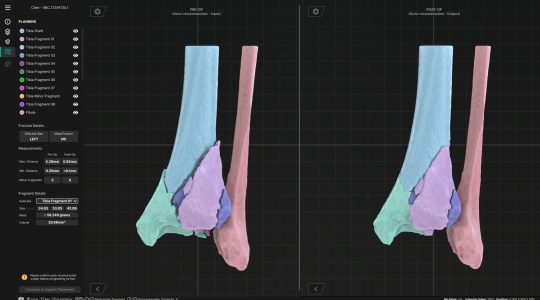
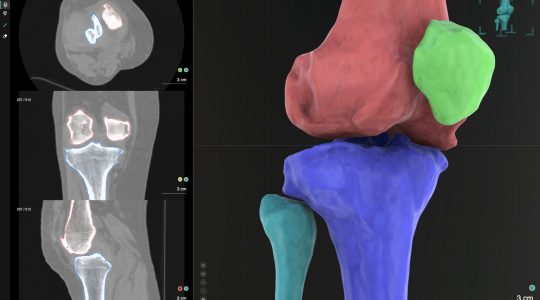
Internal segmentation workflows require dedicated resources, costly licenses, and valuable team time. For engineering and clinical teams already stretched with manual image processing, this can limit scale. Axial3D provides a scalable service that converts imaging into accurate 3D mesh files, helping medical device, imaging, and robotics companies increase output, support more cases, and expand patient-specific workflows without increasing headcount.
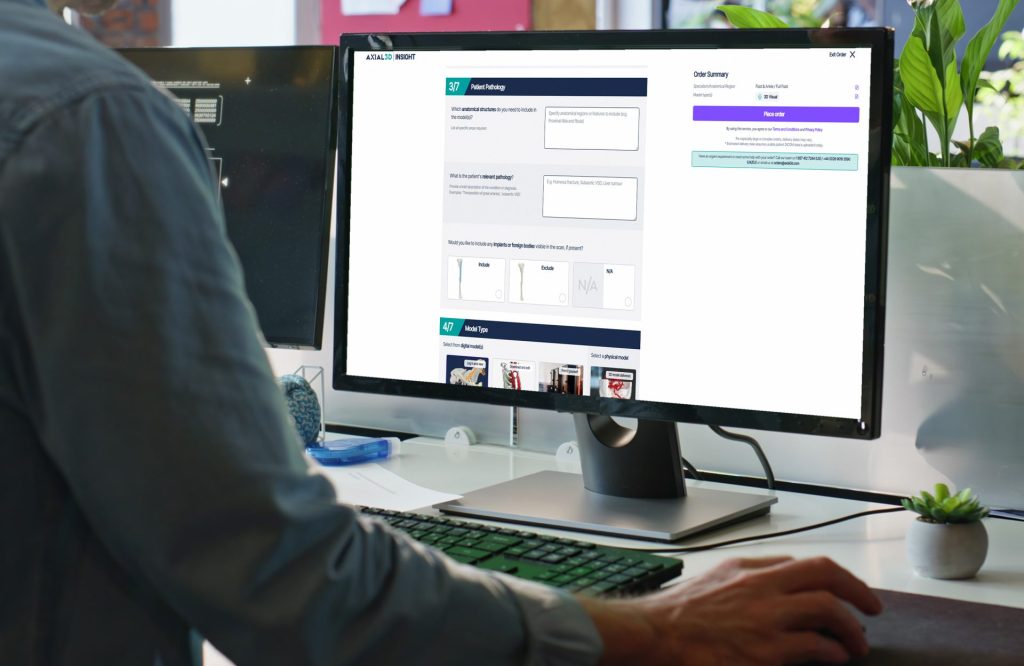
Get up and running without building internal infrastructure. Upload imaging data and begin ordering patient-specific 3D models right away, while our team supports setup and execution.
Easy to Use
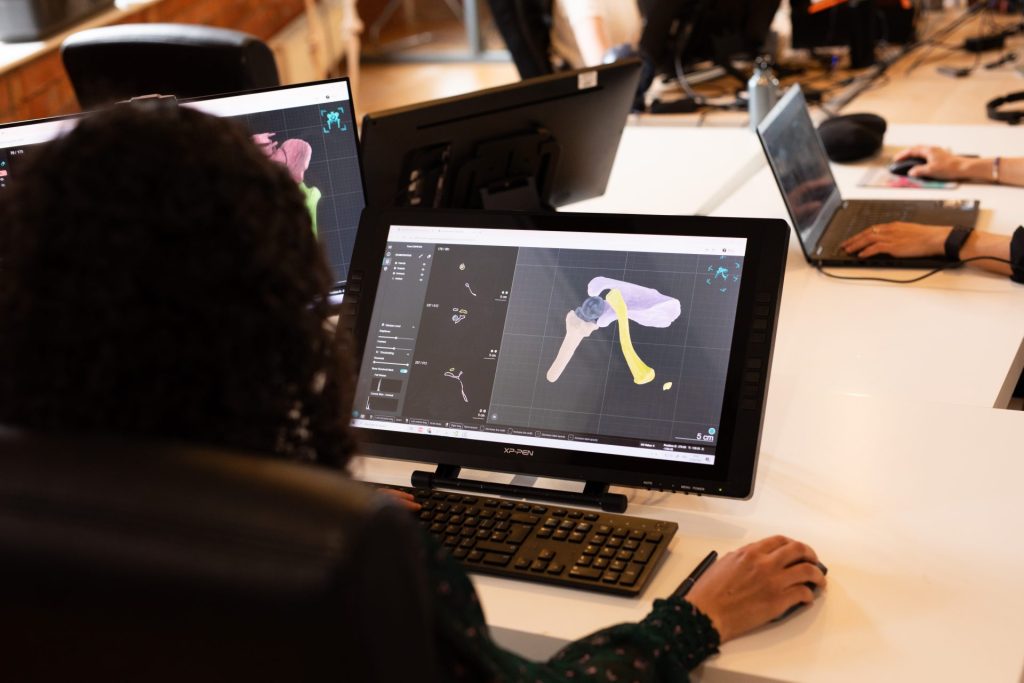
Designed for clinical, engineering, and commercial teams. No specialized training required, making it simple to request 3D models, review cases, and support surgeons without adding additional work to your team.
Faster turnaround
Convert medical images into patient-specific 3D models quickly using AI-powered service. Reduce your team’s manual work accelerating case support and planning.
3D Modeling Services
Axial3D partners with medical device companies to transform medical imaging into patient-specific 3D models that support custom devices, patient-specific instrumentation, robotics, and navigation workflows. Our services help reduce your team’s manual planning time, improve efficiency and accuracy, and enable personalized care at scale.
How it Works
Image Acquisition
Effortlessly transfer, process medical images in our AWS cloud platform
Secure, cloud-based DICOM processing accessible from anywhere
Fast, automated image validation based on your workflow or imaging protocol
Configurable to process multiple imaging types - CT, CBCT, MRI, X-Ray and more
AI-Powered Segmentation
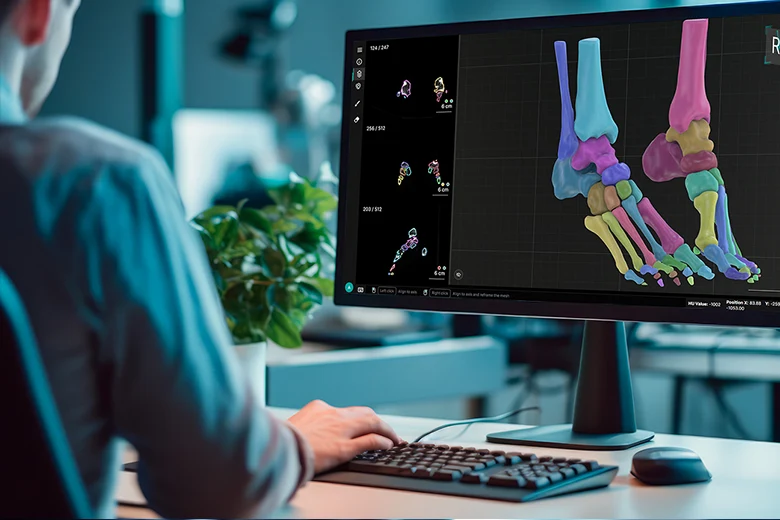
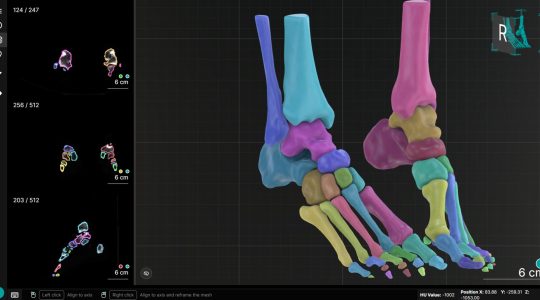
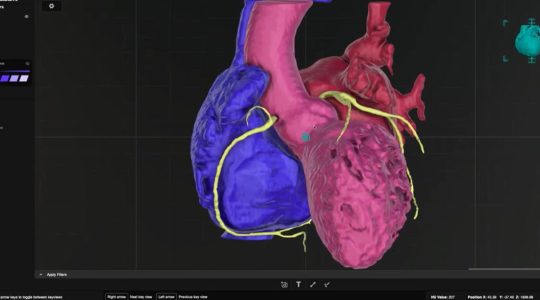
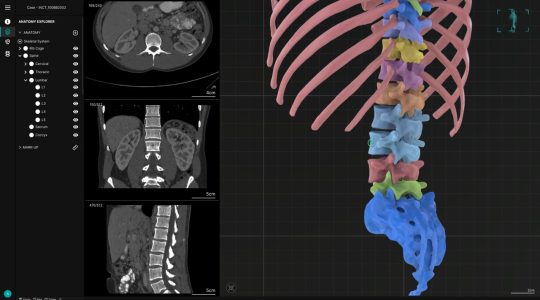
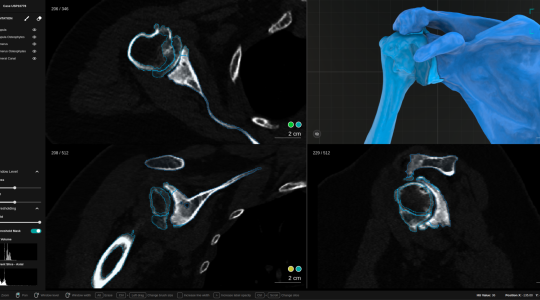
Fast, accurate conversion of medical images into high quality mesh files optimized for planning, PSI, and navigation
A variety of exportable file format outputs to suit downstream clinical processes (STL, Obj, STEP, etc.)
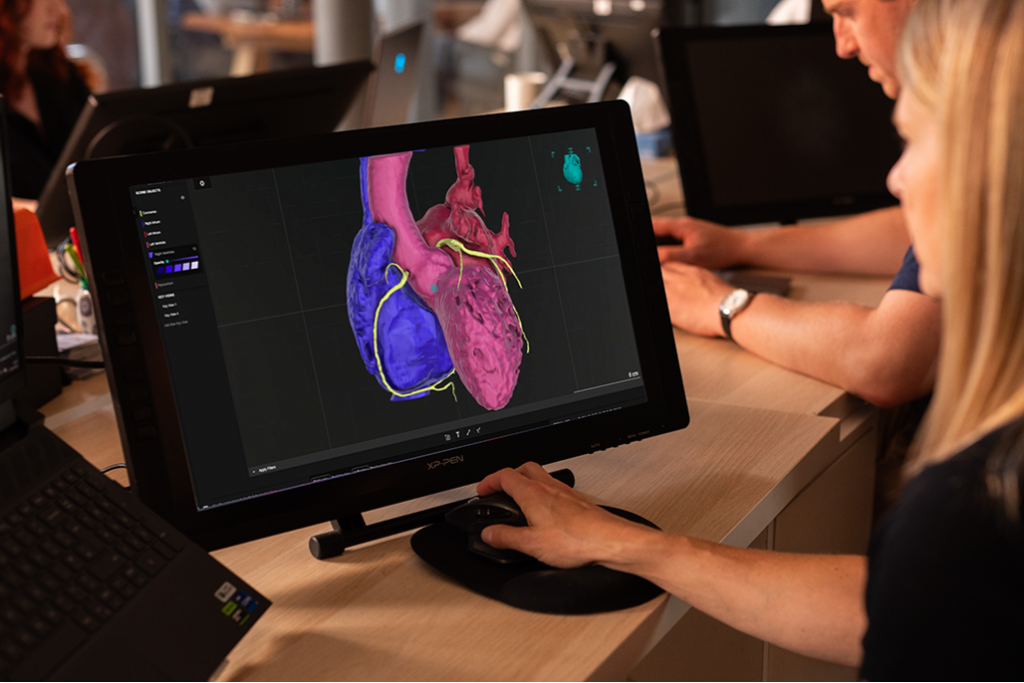
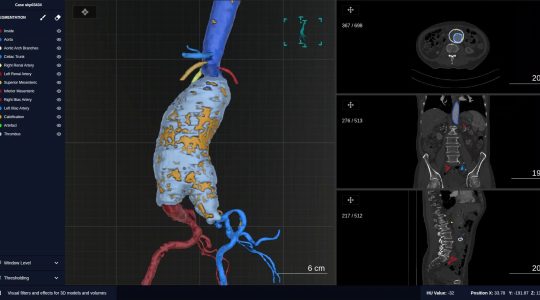
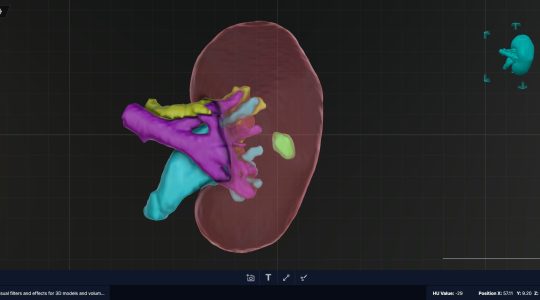
Multi-structure anatomical segmentation including bone, soft tissue, metal artifacts, and more
ISO 27001 and 13485 certified, and FDA 510k cleared
Supporting Your Device Portfolio with Patient Specific 3D Data
Import into CAD and design workflows
Connect to existing surgical planning tools
Supports device sizing, PSI, and navigation workflows
Perform FEA or simulation
Create models for training and education
Enable AR surgical guidance
FEATURED Webinar
Driving the Evolution of Patient Specific Care
Explore how technology is transforming orthopedics in our on-demand webinar, Driving the Next Evolution in Patient-Specific Solutions. Industry leaders discuss the current state of patient-specific care and the role of 3D solutions, AI, and advanced manufacturing in delivering personalized surgical tools, devices, and navigation systems.
We use cookies to ensure that we give you the best experience on our website. If you continue to use this site we will assume that you are happy with it.